EN PHASE
Atelier, 2016
<
>
-
avec Céleste DERYCKE et Martin MOREAU
CONTEXT
Consider alternatives to current energy consumption.
PROPOSITION
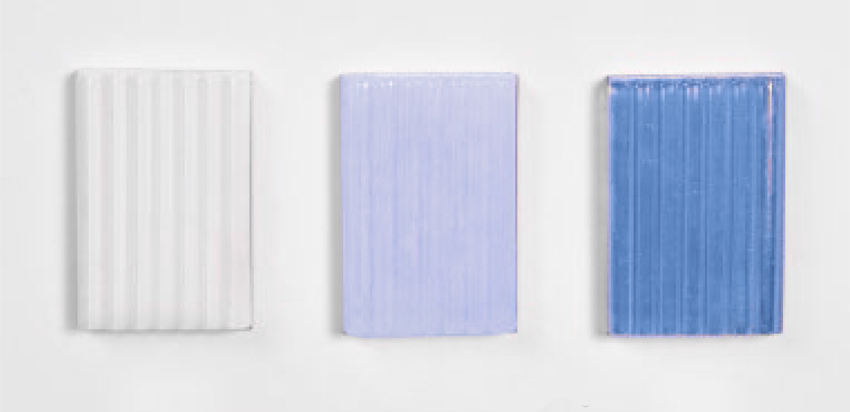
The result of research into phase-change materials, the project consists of tiles and curtains containing coconut oil to regulate home temperature, as well as a support containing vegetable paraffin to improve the inertia of the refrigerator. Each project takes different advantage of the plastic properties of this material, halfway between solid and liquid.
+
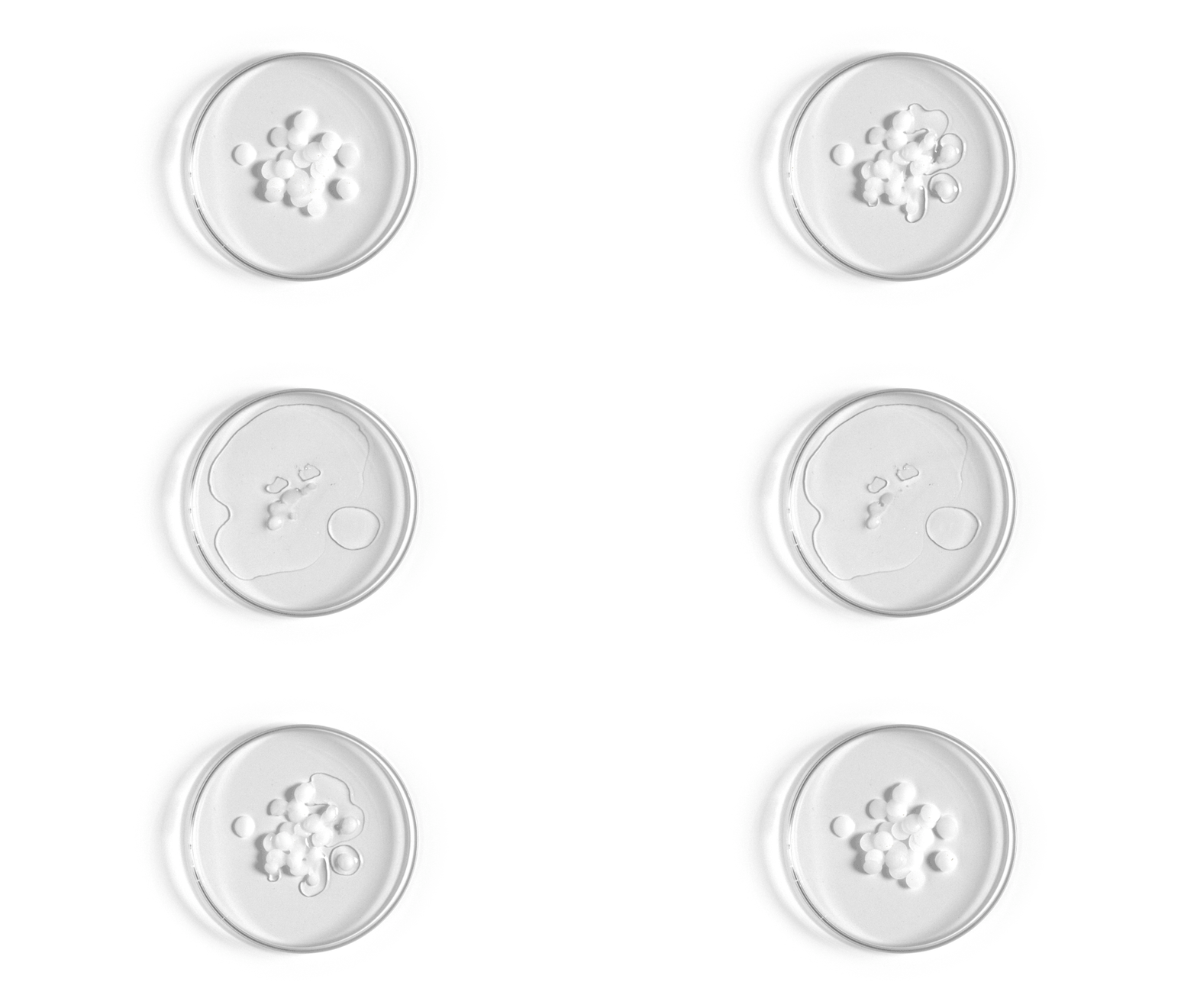
- By changing from a solid to a liquid state, phase change materials store and then release heat, thus smoothing out any temperature differences.
+
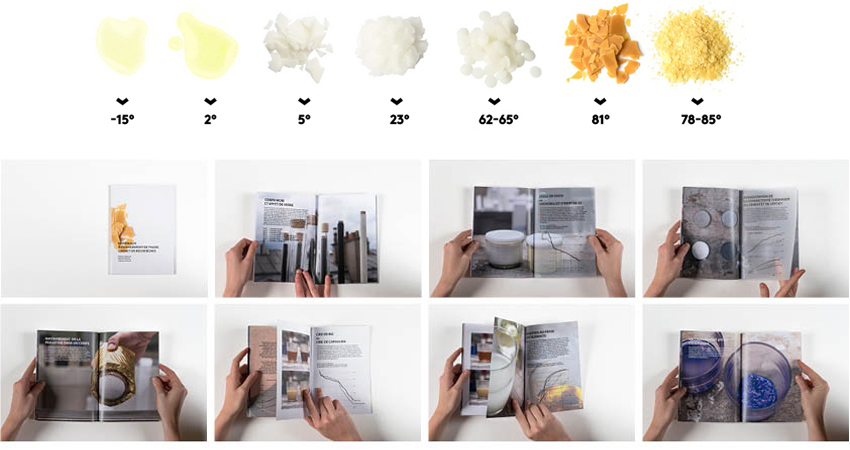
- Oils and waxes, the thermal qualities of different materials depend mainly on their melting temperature.

+
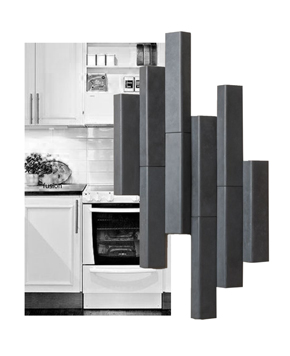
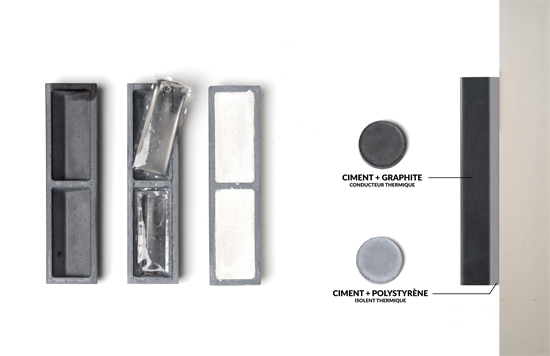
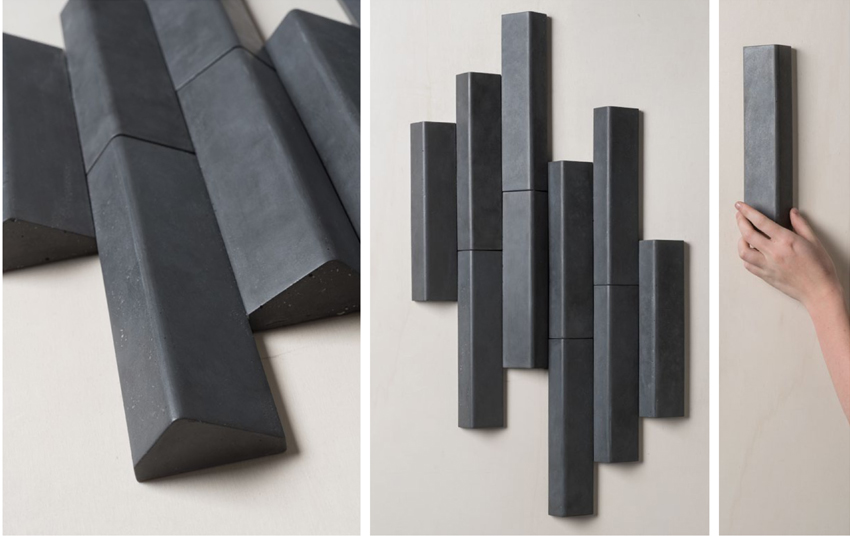
- The first proposal takes the form of cement tiles. Filled with graphite, the cement allows for thermal exchange with the room.
Here, the focus is on the quantity of material, and the tile's design is designed to visually lighten the impact of this concentration of material.
+
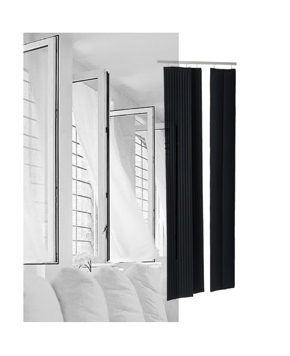
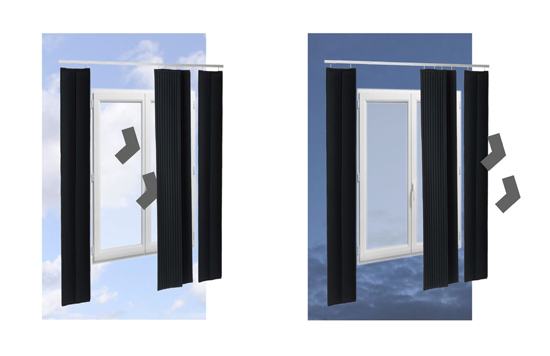
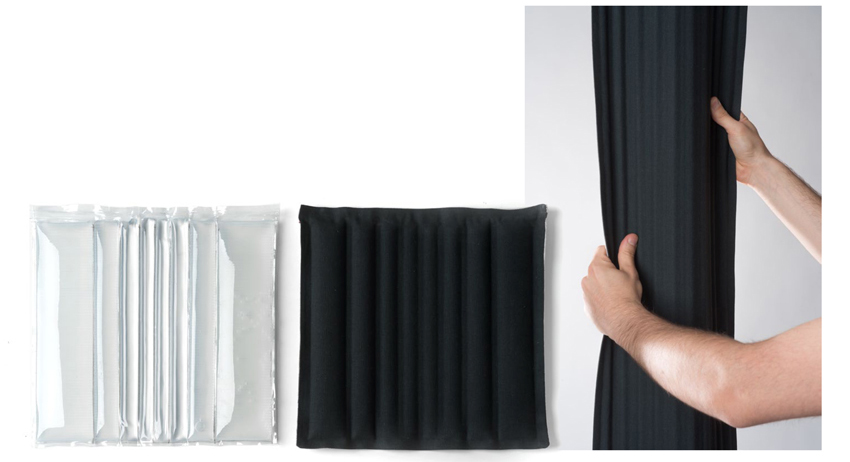
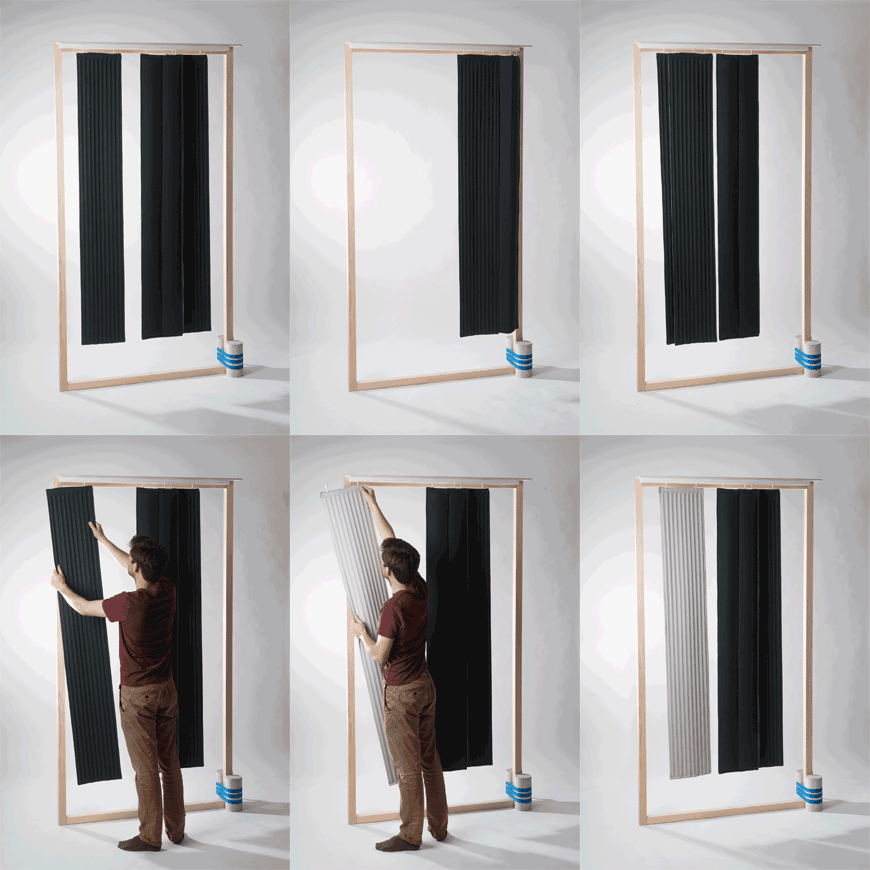
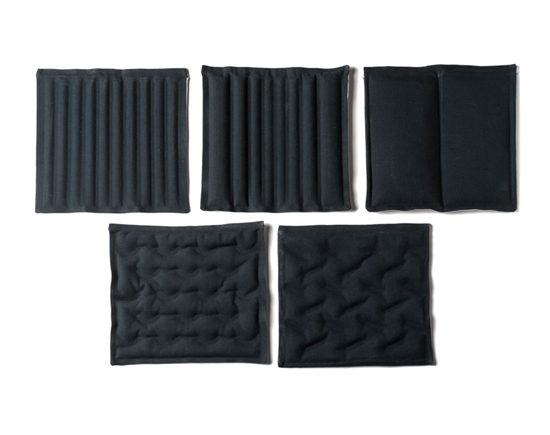
- The curtain, charged with coconut oil, accumulates heat during the day and then releases it in the evening when the temperature drops. Flexible, it reveals the different states of matter to the touch.
+
-
In summer, the curtain turns back and acts as a barrier to the rise in temperature.
+
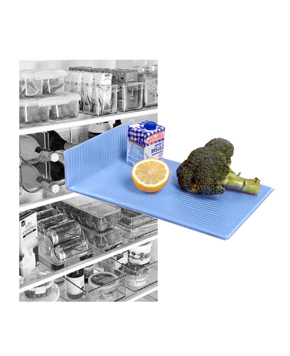
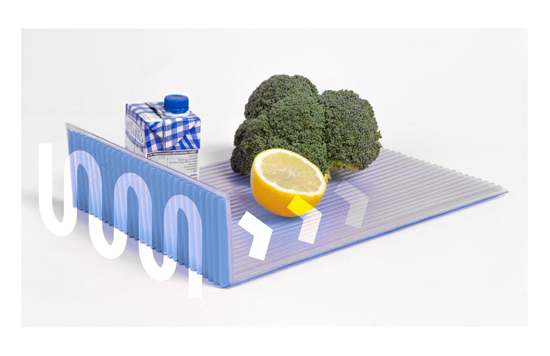
- These trays, designed for the refrigerator, increase its thermal inertia. Loaded with plant sponsorship, they allow for better distribution of cold production at the bottom of the appliance, and smooth out temperature differences each time the door is opened. Their texture facilitates air circulation under the food.
+
- Left visible, the paraffin acts as a temperature indicator. In a refrigerator that's too cold, the tray will be white, while conversely, it will take on a bright color if the temperature is too high.
+
- 06. 2016